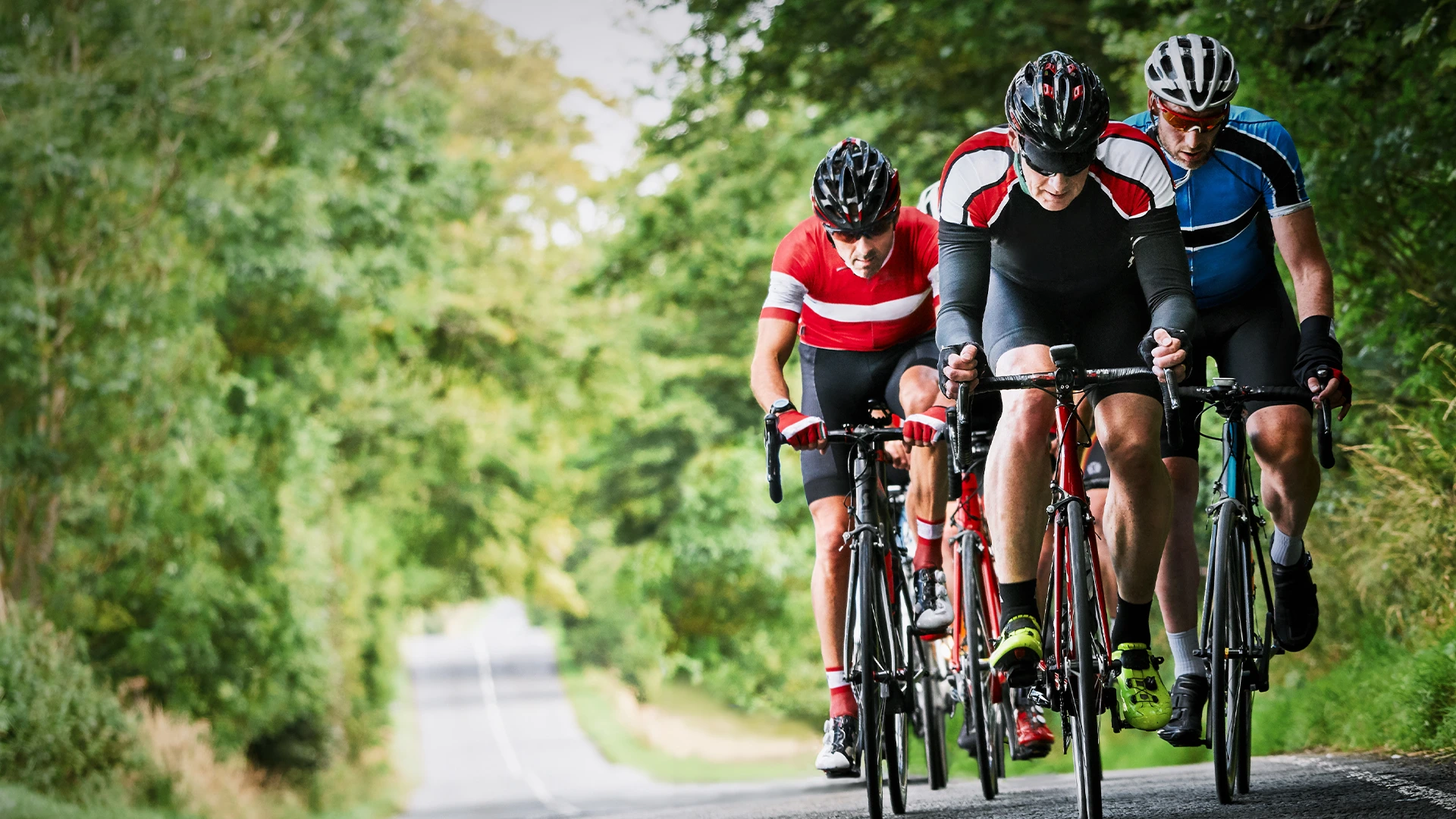
Unlocking endurance performance through structured cycling training plans
Cyclists target threshold power improvement by balancing aerobic base building with HIIT intervals to boost VO2 max capabilities. Polarized training utilizes periodization, helping the body adapt to progressive overload while mitigating chronic fatigue risks effectively.
High-performance equipment for safety and aerodynamics
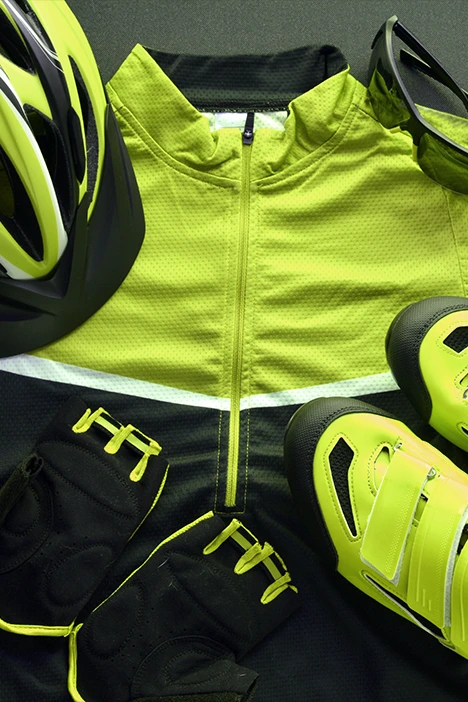

Impact-resistant helmet technology
Polycarbonate shells integrate MIPS liners to dissipate rotational forces during impacts.

Clipless pedal power transfer
Carbon composite soles transfer wattage directly to the crankset without flex loss.

Bib short and chamois comfort
Hydrophobic lycra wicks sweat while multi-density inserts prevent perineal pressure.
UCI-compliant gear setup
The eco-friendly revolution of active mobility
Metropolitan areas expand segregated cycle lanes to accommodate the surge in e-bike commuting. This shift alleviates gridlock and lowers carbon footprints, creating low-emission zones where cargo biking becomes the logical choice for last-mile logistics.
Diverse categories in competitive racing
Elite cycling spans gravel, track, and road, requiring distinct bike handling skills and anaerobic capacities from athletes involved in these sanctioned events.
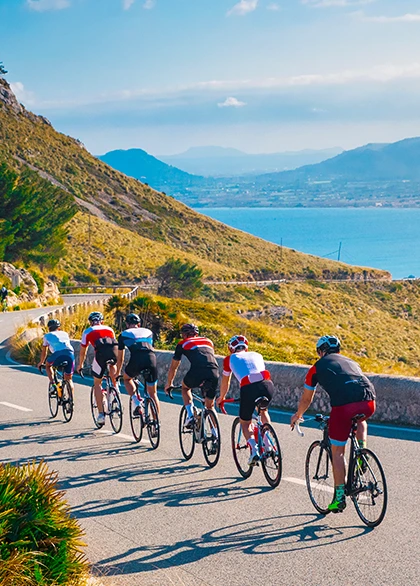
Criterium and road dynamics
Breakaway attempts and slipstreaming define these stage race events.
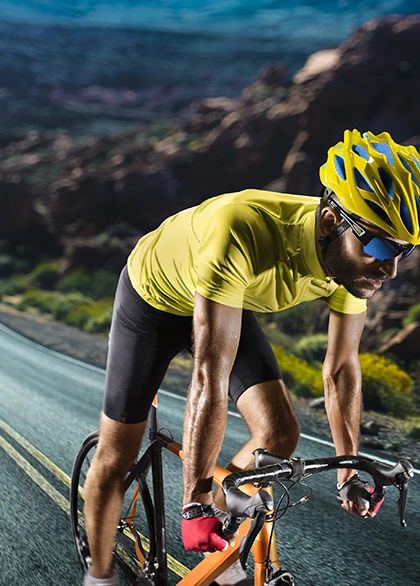
Cross-country technicality
Navigating singletrack demands suspension control and explosive torque.
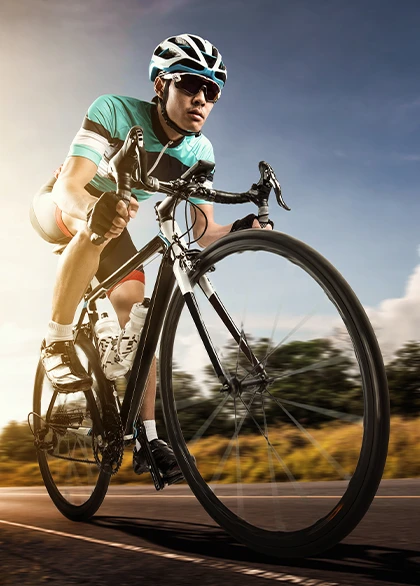
Triathlon and time trial precision
Specialists fight drag using cockpit extensions and disc wheels.
Optimizing fueling for sports recovery
Post-ride fueling is essential to synthesize protein, restore glycogen, and reduce DOMS. Meals with lean amino acids, complex carbs, and lipids support anabolic processes, helping athletes recover faster between blocks.
Isotonic hydration and sodium replenishment are crucial. Consuming hypotonic drinks enriched with magnesium helps restore sweat loss, maintain neuromuscular function, and prevent cramping after intense exertion.
Monitoring HRV and enhancing performance
Tracking biometrics through smartwatches and macro logs allows athletes to adjust caloric intake and tapering. This ensures metabolic efficiency, prevents burnout, and maximizes FTP gains over time.
Combining data analysis with periodized diet accelerates adaptation, enhances lactate threshold, and supports consistent improvements in power-to-weight ratio and performance.
Optimizing ergonomics through professional bike fitting
A dynamic fit aligns the geometry with rider biomechanics to prevent tendonitis and maximize cadence. Adjusting stack and reach ensures efficient joint angles, while stem positioning dictates the aero tuck and comfort during extended base miles.

Seatpost height precision
Correct inseam extension prevents patellar pain and optimizes torque phase.

Cleat float optimization
Proper Q-factor reduces Achilles stress and improves pedaling smoothness.

Drop bar reach adjustment
Adjusting spacers balances center of gravity and cornering stability.
Road hazard awareness
Cognitive focus for safe cycling
Being observant represents half the challenge; situational vigilance ensures riders respond effectively when vehicles or gradients change. Anticipating potholes and maintaining reflexes allows cyclists to navigate intersections and preserve control during critical descents.
Connected cycling technologies
Wireless shifting groupsets boost performance, from high-modulus frames to hydraulic disc brakes, enabling riders to maximize output and braking modulation on extended rides.
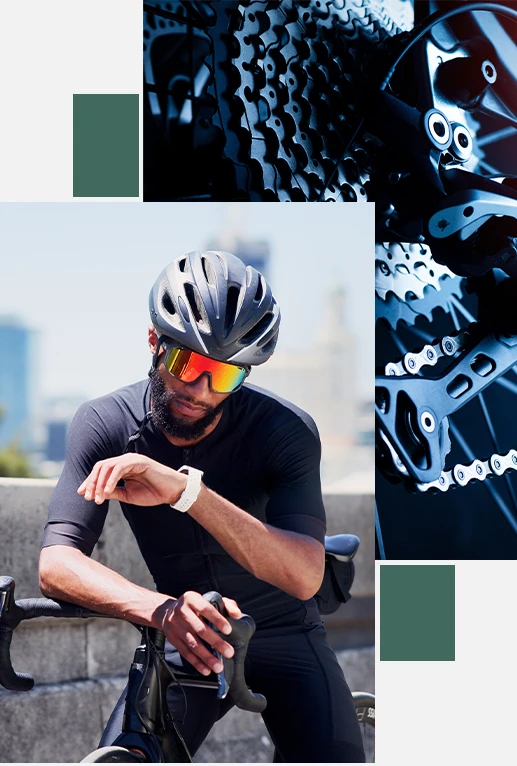

Performance training analytics
Speed sensors, GPS head units, and crank-based meters record TSS metrics, enabling riders to fine-tune zones, intervals, and rest days for KOMs.
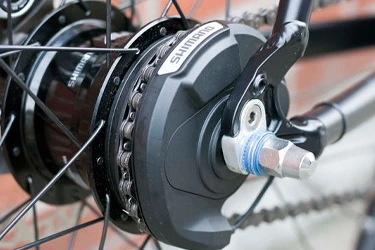
Electronic shifting systems
Servo-actuated derailleurs ensure crisp indexing under torque, enhancing chain retention, cadence stability, and overall drivetrain performance in wet conditions.
Innovation evolution in cycling
Graphene materials, internal routing, and CFD modeling are redefining what amateurs can achieve on both club runs and sportives.
Tubeless sealants improve compliance, reduce rolling resistance, and minimize pinch flats during intense descents.